This tp link axe5400 review looks at the Archer AXE75, a tri-band Wi-Fi 6E router built around a dedicated 6 GHz band, 160 MHz channels, and support for connecting many devices.
Its blend of wireless capacity, VPN options, and OneMesh compatibility may suit busy homes, provided your devices and internet plan can make use of those features.
Archer AXE75 Review Summary
The quick verdict
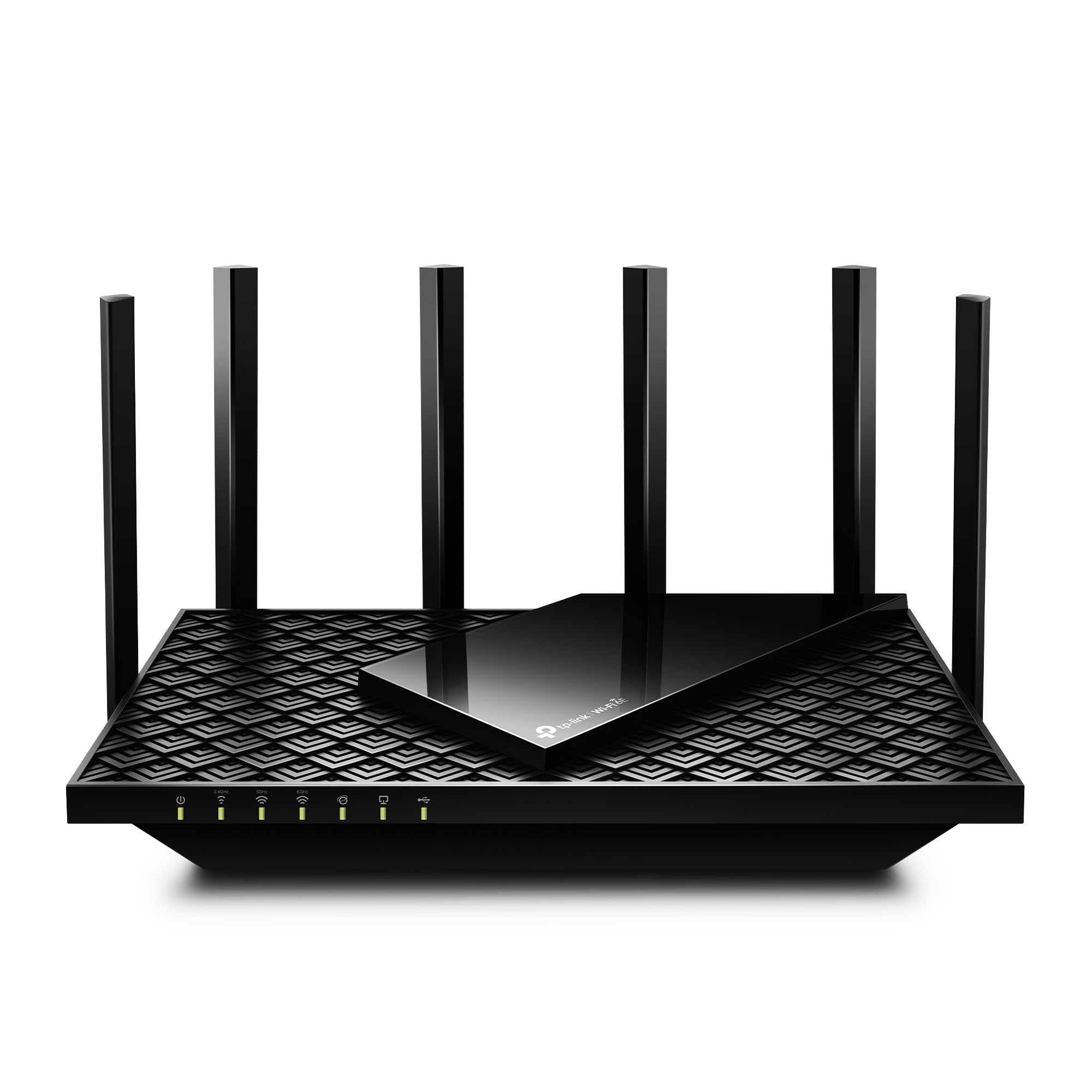
5,000+ ratings
Read Amazon ReviewsTP-Link Archer AXE75
A fit for households that want a 6 GHz band, tri-band capacity, VPN options, and OneMesh extender support in one router.
- Tri-band Wi-Fi 6E with a combined advertised rate of up to 5,400 Mbps: up to 2,402 Mbps on 6 GHz, 2,402 Mbps on 5 GHz, and 574 Mbps on 2.4 GHz.
- The 6 GHz band and 160 MHz channel support are intended to provide more bandwidth for compatible Wi-Fi 6E devices.
- OFDMA and tri-band operation are designed to increase capacity for simultaneous transmissions across connected devices.
- A 1.0 GHz dual-core CPU and 512 MB of high-speed memory handle router processing.

Pros
- The dedicated 6 GHz band gives compatible Wi-Fi 6E devices a third band to use.
- Three-band operation and OFDMA are designed for households with multiple connected devices.
Consider before buying
- Devices need Wi-Fi 6E compatibility to use the 6 GHz band; older clients will use other supported bands.
- The combined 5,400 Mbps figure is divided among three bands and should not be read as the expected speed for one device.
Read the full review summary
The Archer AXE75 divides its advertised wireless capacity across 6 GHz, 5 GHz, and 2.4 GHz bands, with up to 5,400 Mbps combined.
Its 6 GHz band is the central reason to consider it: compatible devices can use a newer band, while other devices can remain on 5 GHz or 2.4 GHz.
The total is a theoretical combined maximum, rather than a speed one device should expect to reach.
This router is most relevant to households with a mix of newer and older Wi-Fi devices, several simultaneous activities, or a specific interest in VPN server and client support.
OneMesh extender support offers a way to build out coverage with a compatible TP-Link extender.
Keep in mind that an internet modem is required for most providers, and the value of the 6 GHz band depends on having devices that support Wi-Fi 6E.
The buying factors
Archer AXE75 Scorecard
Editorial scores reflect listed features and buyer fit; they are not laboratory measurements or customer ratings.
Tri-band flexibility
Three bands, including 6 GHz, give compatible devices an additional place to connect.
Advertised wireless capacity
Up to 5,400 Mbps combined is a substantial headline capacity, though it is spread across bands and not a single-device speed guarantee.
Multi-device support
OFDMA and tri-band operation are designed to help more devices transmit simultaneously.
Expansion options
OneMesh support provides an option to extend a compatible TP-Link setup.
VPN flexibility
Support for VPN server and client functions, including OpenVPN, PPTP, and L2TP, is useful for buyers who want those options.
Setup prerequisites
Most internet providers require a separate modem, and using 6 GHz meaningfully also depends on compatible client devices.
Key Features and Specifications of Archer AXE75
- Tri-band Wi-Fi 6E with a combined advertised rate of up to 5,400 Mbps: up to 2,402 Mbps on 6 GHz, 2,402 Mbps on 5 GHz, and 574 Mbps on 2.4 GHz.
- The 6 GHz band and 160 MHz channel support are intended to provide more bandwidth for compatible Wi-Fi 6E devices.
- OFDMA and tri-band operation are designed to increase capacity for simultaneous transmissions across connected devices.
- A 1.0 GHz dual-core CPU and 512 MB of high-speed memory handle router processing.
- OneMesh support allows pairing with a TP-Link OneMesh extender to create a broader home network.
- VPN server and client functions support OpenVPN, PPTP, and L2TP.
- HomeShield includes basic network security tools, IoT device identification, parental controls, Quality of Service, and usage reports.
Pros and Cons of Archer AXE75
Pros
- The dedicated 6 GHz band gives compatible Wi-Fi 6E devices a third band to use.
- Three-band operation and OFDMA are designed for households with multiple connected devices.
- VPN server and client support gives buyers several connection options to consider.
- OneMesh compatibility offers a route to extend coverage with a supported TP-Link extender.
- HomeShield provides a set of basic network and parental-control features.
Consider before buying
- Devices need Wi-Fi 6E compatibility to use the 6 GHz band; older clients will use other supported bands.
- The combined 5,400 Mbps figure is divided among three bands and should not be read as the expected speed for one device.
- Most internet providers require a separate modem, so check whether your current setup already includes one.
Who Should Buy Archer AXE75?
Good fit
Consider the Archer AXE75 if you want to move to Wi-Fi 6E and have devices that can use 6 GHz.
A third band gives a household more connection options, while the 5 GHz and 2.4 GHz bands remain available for devices that do not support Wi-Fi 6E.
The advertised capacity and OFDMA design also make it relevant for homes where many devices may be active at once.
It is also worth considering if VPN routing features or a TP-Link OneMesh expansion path matter to your setup.
Before buying, check which of your devices support Wi-Fi 6E, whether your provider setup needs a separate modem, and whether a compatible extender would suit any areas that need more coverage.
Who should skip it
Skip it if you specifically need a Wi-Fi 7 router or want the newer standard’s listed features; this is a Wi-Fi 6E model.
Also look elsewhere if your devices cannot use 6 GHz and you would not benefit from its tri-band design.
How the Archer AXE75 fits a Wi-Fi 6E home
The 6 GHz band needs compatible clients
Wi-Fi 6E is the key distinction in this router’s design. Compatible devices can connect on 6 GHz, while other devices can use 5 GHz or 2.4 GHz.
That makes the AXE75 more compelling when at least some of the phones, computers, or other clients in your home support Wi-Fi 6E; check their specifications before treating the extra band as a deciding factor.
Read the speed figures as a combined ceiling
The up-to 5,400 Mbps total combines maximum rates across all three bands. The 6 GHz and 5 GHz bands are each listed at up to 2,402 Mbps, with up to 574 Mbps on 2.4 GHz.
These figures describe the router’s band capacity, not a promise that an individual device or internet connection will reach that rate.
Capacity features address busy networks
Tri-band operation and OFDMA are intended to help multiple devices share wireless resources.
This is relevant for a home where people stream, browse, and play games at overlapping times, although the description does not provide measured performance for a particular layout or number of clients.
The 1.0 GHz dual-core processor and 512 MB memory are part of the router’s processing design.
Expansion and VPN options shape the setup
OneMesh support means you can pair the router with a TP-Link OneMesh extender when you want to extend a compatible network.
VPN server and client support, with OpenVPN, PPTP, and L2TP listed, adds flexibility for buyers who use VPN connections. Review the setup requirements for your chosen VPN service and extender before making either feature central to your decision.
Alternatives to Archer AXE75
Computer Routers alternative
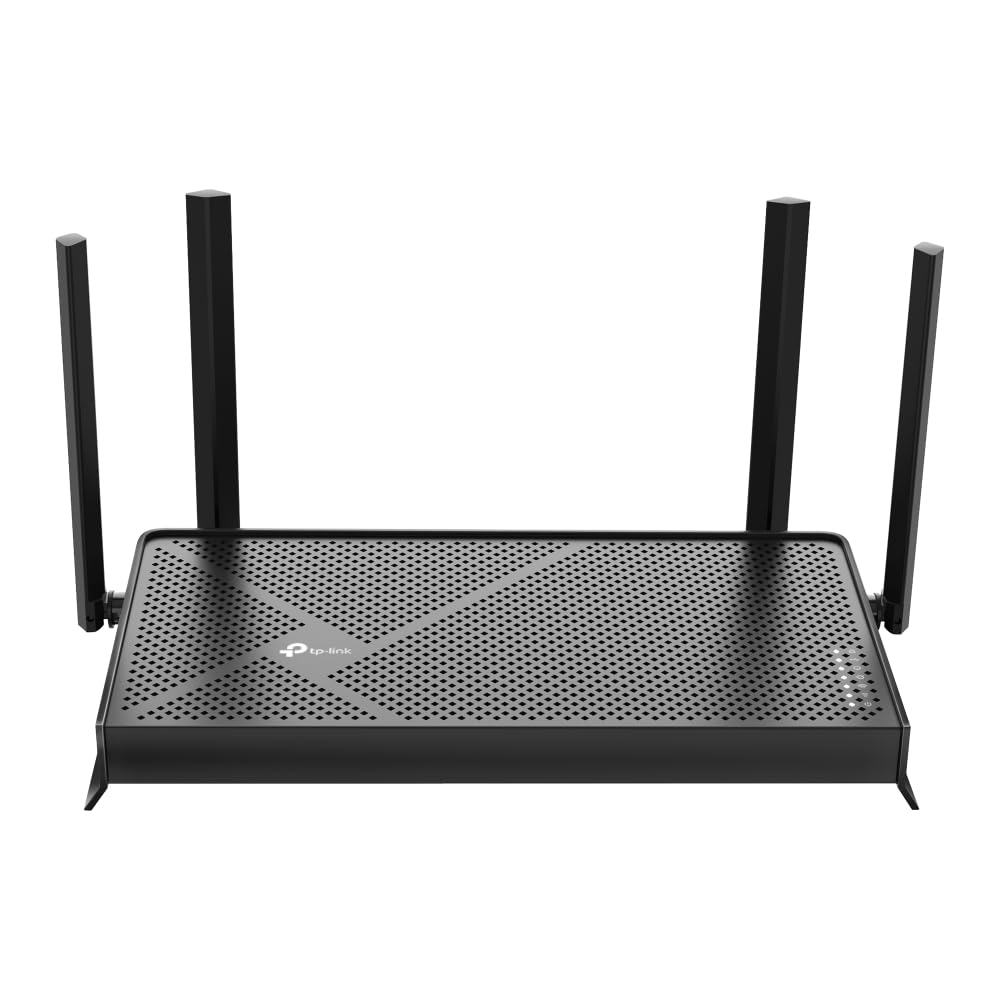
1,000+ ratings
Read Amazon ReviewsTP-Link Archer BE230
Choose the AXE75 if access to a 6 GHz band is a priority. Consider the BE230 if you prefer its Wi-Fi 7 features and listed multi-gig wired ports, and do not need 6 GHz.
- The Archer BE230 is a dual-band Wi-Fi 7 router with up to 3,570 Mbps combined across 5 GHz and 2.4 GHz, two 2.5 Gbps ports, three 1 Gbps LAN ports, and EasyMesh support; it does not support 6 GHz.
- The Archer AXE75 offers tri-band Wi-Fi 6E, including a 6 GHz band, alongside VPN server and client support.
Computer Routers alternative
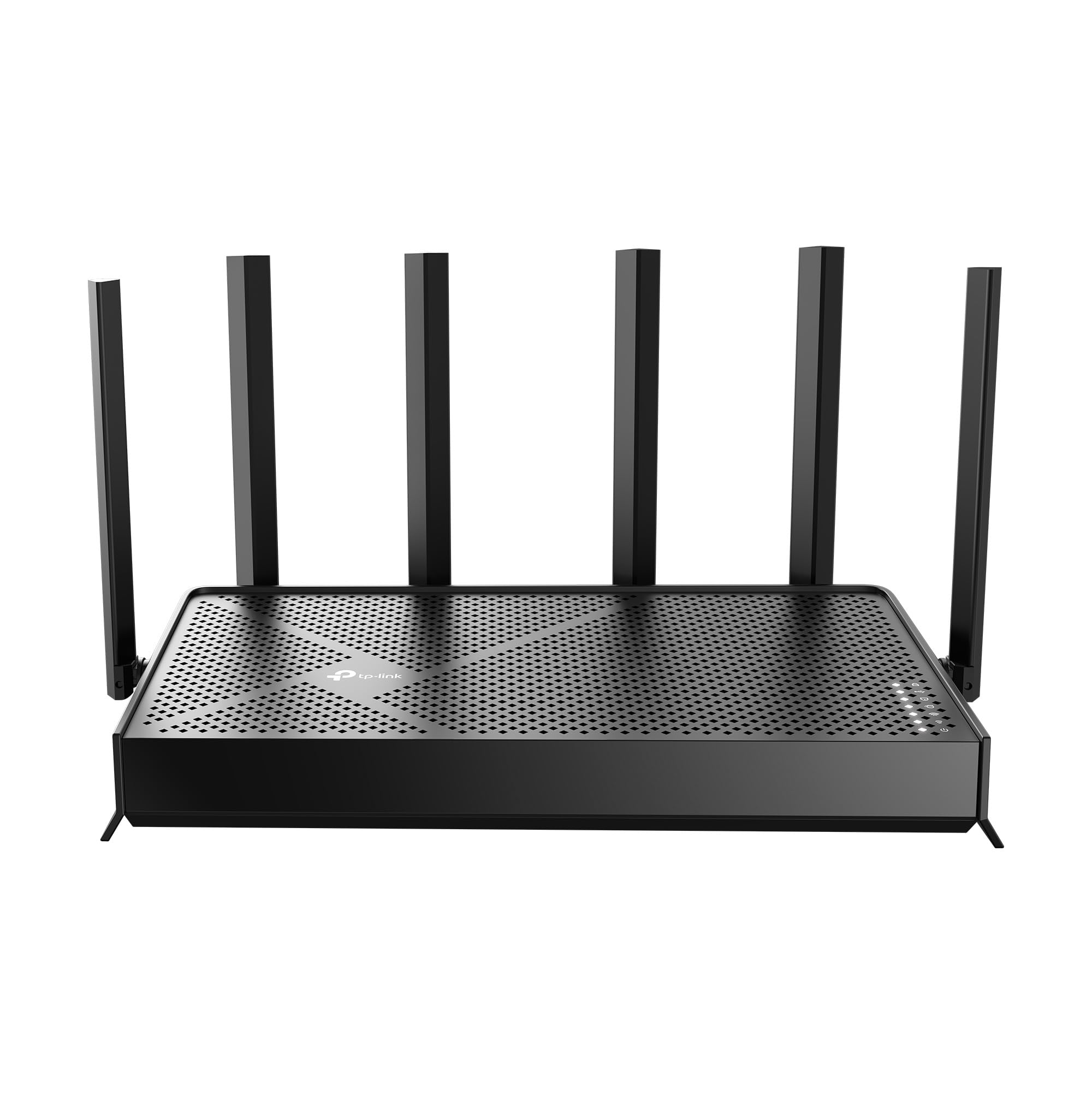
600+ ratings
Read Amazon ReviewsTP-Link Archer BE600
Consider the BE600 if you want Wi-Fi 7 and its listed multi-gig wired connections.
The AXE75 remains a relevant option if Wi-Fi 6E meets your needs and its 6 GHz band, VPN functions, and OneMesh support fit your setup.
- The Archer BE600 is a tri-band Wi-Fi 7 router with up to 5,765 Mbps on 6 GHz, 2,882 Mbps on 5 GHz, and 1,032 Mbps on 2.4 GHz.
- It lists a 10 Gbps WAN/LAN port, a 2.5 Gbps WAN/LAN port, and three 2.5 Gbps LAN ports.
- The Archer AXE75 provides Wi-Fi 6E tri-band operation, VPN server and client support, and OneMesh extender compatibility.
Is Archer AXE75 Worth It?
The TP-Link Archer AXE75 is worth considering for a home that can use Wi-Fi 6E and would benefit from tri-band operation, VPN options, or OneMesh extender support.
Its strongest reason to buy is the 6 GHz band; households without compatible devices may get less value from that feature.
Treat the up-to 5,400 Mbps figure as combined band capacity, and confirm your modem requirements and device compatibility before choosing it.
If those points fit your setup, the AXE75 offers a useful mix of wireless bands and practical network features.
Your review at a glance
5,000+ ratings
Read Amazon ReviewsTP-Link Archer AXE75
A fit for households that want a 6 GHz band, tri-band capacity, VPN options, and OneMesh extender support in one router.
- Tri-band Wi-Fi 6E with a combined advertised rate of up to 5,400 Mbps: up to 2,402 Mbps on 6 GHz, 2,402 Mbps on 5 GHz, and 574 Mbps on 2.4 GHz.
- The 6 GHz band and 160 MHz channel support are intended to provide more bandwidth for compatible Wi-Fi 6E devices.
- OFDMA and tri-band operation are designed to increase capacity for simultaneous transmissions across connected devices.
- A 1.0 GHz dual-core CPU and 512 MB of high-speed memory handle router processing.